









Understanding Acidity & GERD – Why the Burn Happens
We’ve all felt it—the burning sensation in the chest after a heavy meal or lying down too soon. This is acid reflux, and when it becomes frequent, it’s known as GERD (Gastroesophageal Reflux Disease).
What’s Really Going On?
Your stomach naturally produces acid to digest food. But when that acid flows upward into the food pipe (esophagus), it causes irritation—commonly experienced as heartburn. Over time, this can damage the esophageal lining and disrupt digestion.
Common Triggers
- Heavy, oily, or spicy meals
- Coffee, alcohol, or carbonated drinks
- Lying down immediately after eating
- Stress or irregular eating patterns
- Certain medications
- Highly acidic foods
Why You Shouldn’t Ignore It
Untreated acidity and GERD can lead to:
- Chronic inflammation and ulcers
- Difficulty swallowing or persistent sore throat
- Bloating, nausea, or regurgitation
The goal is not just quick relief, but long-term repair and balance of the gut environment.
Modern antacids may provide fast relief, but most don’t address the root cause—they simply neutralize acid temporarily. Overuse can disturb mineral balance and may even lead to rebound acidity.
The Science of ANC (Acid Neutralizing Capacity)
Every antacid ingredient has a measure of how much acid it can neutralize—known as Acid Neutralizing Capacity (ANC).
Our formulation combines Marine Calcium Carbonate and Marine Magnesium Hydroxide in an optimal 5:3 ratio, achieving an ANC of approximately 20.3 mEq per dose.
1. Marine Calcium Carbonate (Aquamin® TG)
- Derived from red marine algae (Lithothamnion), providing a natural, bioavailable source of calcium rich in trace minerals
- Neutralizes excess stomach acid and helps buffer gastric pH
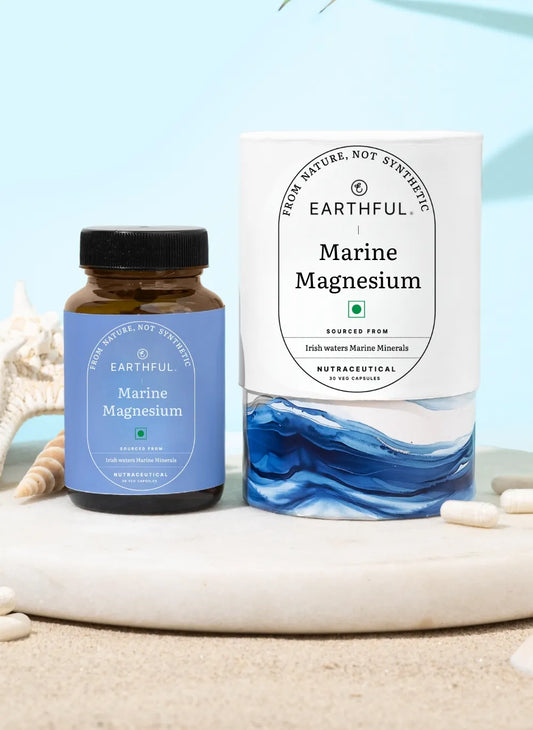
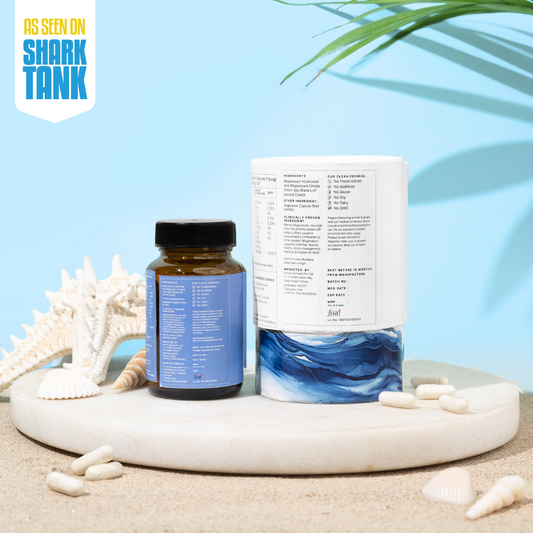
2. Marine Magnesium (Mg TG)
- Acts as a natural relaxant for digestive muscles and nerves
- Buffers acid gradually, offering sustained relief from discomfort
- Helps maintain bowel regularity, easing constipation sometimes associated with conventional antacids
3. Aloe Vera Extract (Acemannan ≥10%)
- Rich in acemannan, a polysaccharide shown to soothe and heal the gastric mucosa
- Stimulates mucin secretion, naturally protecting the gut lining
- Reduces inflammation and supports epithelial regeneration
4. DGL (Deglycyrrhizinated Licorice Extract)
Regular licorice root contains glycyrrhizin, a compound that may cause side effects such as elevated blood pressure, water retention, and potassium imbalance. In DGL, glycyrrhizin is removed, making it safer for long-term use.
- A traditionally used herb known to protect and regenerate the stomach lining
- Increases mucus thickness and the lifespan of epithelial cells, forming a protective barrier against acid
- Reduces inflammation and promotes prostaglandin synthesis for mucosal defense
- Helps reduce symptoms such as bloating, burning, and regurgitation linked to reflux and gastritis
5. Olive Leaf Extract (Olea europaea)
- Rich in oleuropein and hydroxytyrosol—potent antioxidants that calm gastric inflammation
- Protects the mucosal lining from acid-induced injury
- Naturally helps inhibit H. pylori, a bacterium associated with ulcers and chronic gastritis