






























How to Choose a Plant Protein Powder for Everyday Nutrition
Protein plays an important role in everyday nutrition, supporting muscle maintenance, tissue repair, and several essential functions in the body. Individual protein needs vary based on factors such as age, body size, activity level, and dietary pattern. Earthful focuses on making plant-based nutrition simple, transparent and practical for everyday routines.
When your regular meals do not provide enough protein, a natural protein powder can help supplement your daily intake. Choosing the right product means looking beyond the protein content and considering the protein source, ingredient list, amino acid profile, digestibility, taste, and versatility. These factors can help you find a plant protein powder that fits your nutritional needs and works naturally with the way you eat.
What Is Plant Protein Powder?
Plant protein powder is a concentrated source of protein made from plants. Common sources include peas, rice, soy, hemp, and other legumes or grains. These proteins can be processed into powders that are easy to mix into drinks, smoothies, or meals.
Plant proteins can differ in their amino acid profiles and digestibility. This is one reason protein blends can be useful. Combining complementary sources, such as pea and brown rice protein, can help provide a broader amino acid profile than relying on a single plant source.
Plant protein powder is best viewed as a convenient way to supplement the protein already coming from foods such as lentils, beans, peas, soy, nuts, seeds, dairy, or other protein-rich foods, not as a replacement for a varied diet.
Why Add Plant Protein to Your Everyday Nutrition?
Your daily protein intake comes from everything you eat, not just supplements. However, certain meals may naturally contain less protein, making it harder to consistently meet your individual needs.
A plant protein powder can help fill that gap when used appropriately. It may be useful for:
- Adding protein to a breakfast smoothie or shake
- Making a quick protein-rich snack between meals
- Complementing meals that are primarily carbohydrate-based
- Supporting protein intake for people following vegetarian or vegan diets
- Providing a convenient option on busy days
- Adding variety to an already balanced eating pattern
For active individuals, protein is particularly relevant because physical activity increases the importance of adequate protein intake for maintaining and repairing muscle tissue. But you do not need to be an athlete to benefit from making protein a more consistent part of your meals.
The important point is to consider your total protein intake rather than assuming that adding a scoop automatically makes your diet adequate.
Plant Protein vs Whey: What Should You Choose?
Plant protein and whey protein can both contribute valuable dietary protein. Neither is automatically the right choice for everyone.
Whey is derived from milk and is naturally rich in essential amino acids, including leucine. Plant proteins come from sources such as peas, rice, and soy and may be preferable for people who avoid dairy or follow plant-based diets.
There can also be differences in digestion and amino acid composition. Research suggests that some plant proteins may stimulate muscle protein synthesis less strongly on a gram-for-gram basis than certain animal proteins, although differences can depend on the protein source, amount consumed, and overall diet. Recent evidence also indicates that differences between plant and animal proteins can be relatively small in some populations when overall protein intake is adequate.
So, rather than asking whether plant protein is universally better than whey, consider:
- Do you tolerate dairy well?
- Does your diet include or exclude animal products?
- Which protein sources suit your digestion?
- Does the product provide enough protein per serving?
- Will you actually enjoy using it regularly?
The most useful protein powder is ultimately one that fits your nutritional needs and routine.
What to Look for in a Natural Protein Powder
The word “natural” on a package does not, by itself, tell you whether a product is well formulated. When choosing a natural protein powder, look beyond the front of the pack and read the ingredient and nutrition panels.
1. Check the protein source
Look for clearly identified sources such as pea, brown rice, soy, or other plant proteins. A transparent label should tell you exactly where the protein comes from.
2. Look at protein per serving
Compare the actual protein content with the serving size. A large scoop does not necessarily mean a high-protein product.
3. Consider the amino acid profile
Protein quality depends partly on its essential amino acid composition and digestibility. Blends can be useful because complementary plant sources can help create a more balanced amino acid profile. Research has highlighted protein blending as one approach to improving the nutritional quality of plant protein.
4. Read the complete ingredient list
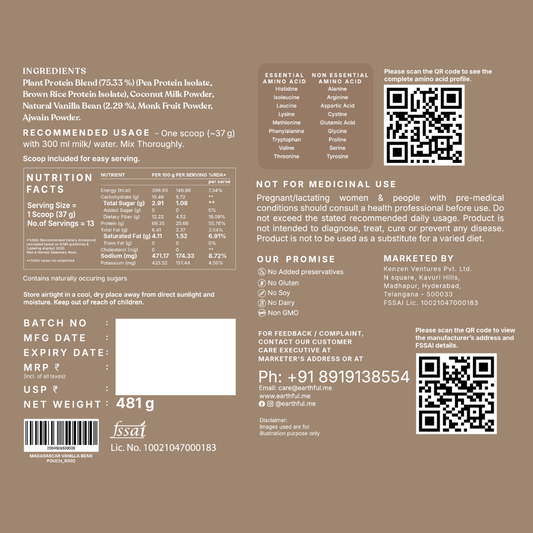
A clean formulation should make it easy to understand what you are consuming. Check for added flavours, sweeteners, fillers, and other ingredients, especially if you prefer a simpler product.
5. Consider digestibility and tolerance
A protein powder that looks good nutritionally may still not suit everyone. Taste, texture and individual digestive tolerance matter, particularly when you intend to consume it regularly.
6. Look for quality and testing information
Third-party testing and transparent manufacturing information can provide additional confidence in product quality and safety. Rather than relying only on words such as “clean” or “natural,” look for brands willing to show what is actually inside the product.
How Earthful Approaches Plant-Based Protein
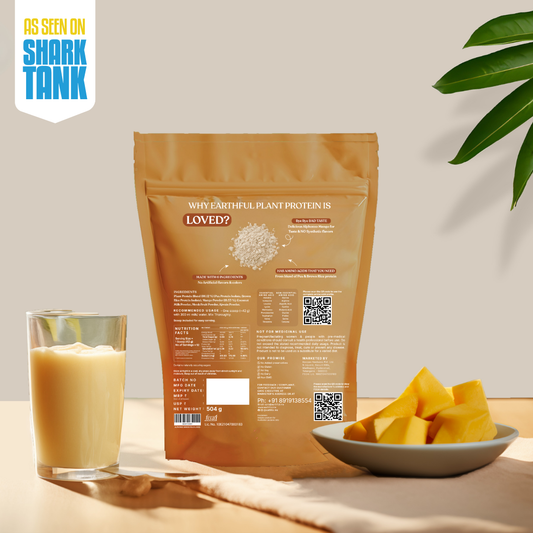
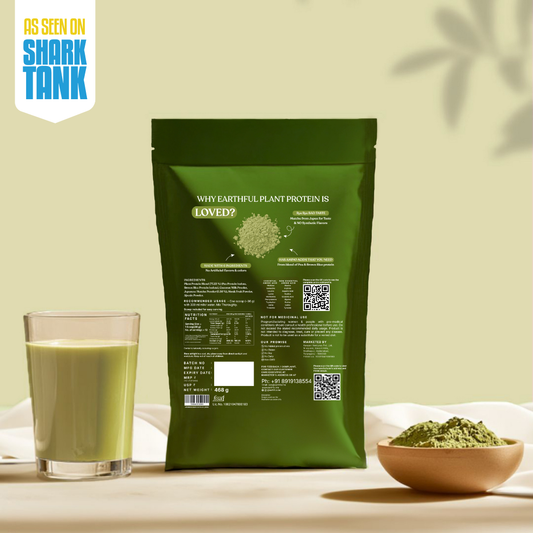
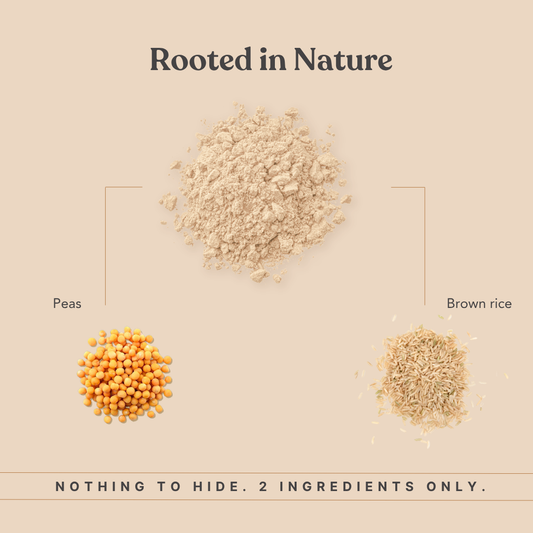
Earthful's Honest Plant Protein range follows a straightforward approach to everyday protein, using blends of pea protein and brown rice protein. The range includes flavoured and unflavoured options, allowing people to choose according to their taste and routine.
The unflavoured version is particularly useful for people who want flexibility. It contains just two ingredients, pea protein and brown rice protein, and provides 23 g of protein in the preparation described by Earthful. It can also be mixed into atta while kneading, offering a practical way to add protein to everyday rotis without significantly changing the usual cooking routine. Earthful also provides third-party testing information and ingredient transparency for the product.
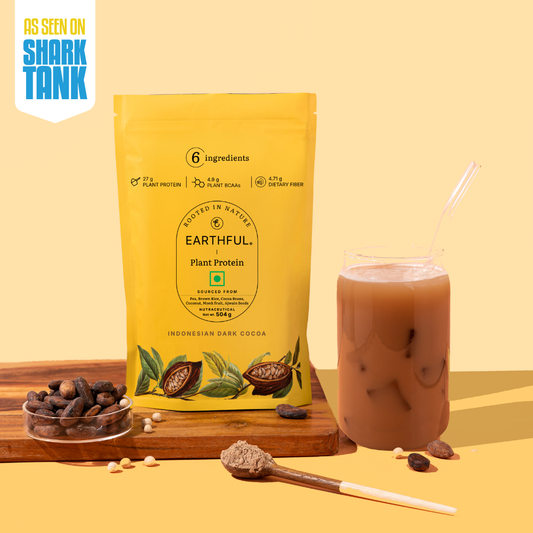
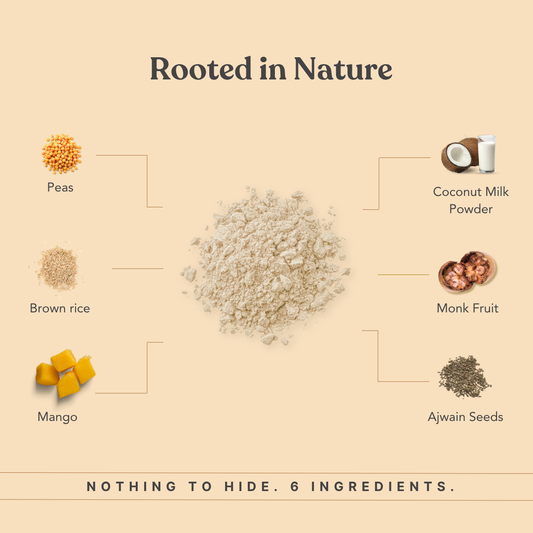
For those who prefer flavoured protein, the current range includes options such as Indonesian Cocoa, Alphonso Mango, Coffee Mocha, Japanese Matcha, Madagascar Vanilla and Apple. The important consideration is not simply the flavour but whether the formulation, protein content, and ingredients work for your everyday needs.
Making Protein a Simpler Part of Everyday Nutrition
Choosing the best plant protein powder in India starts with checking the protein source, protein content per serving, amino acid profile, ingredient list, digestibility, quality testing, and how easily it fits into your daily meals. These factors can help you choose a product that supports your nutritional needs while fitting naturally into your routine. Earthful's approach to plant protein focuses on these practical considerations, with transparent formulations designed for everyday use.
Making Protein a Simpler Part of Everyday Nutrition
For everyday nutrition, choose a protein powder with a clear ingredient list, a suitable protein source, good digestibility, and a formulation that fits easily into your routine. Whole foods should remain the foundation of a balanced diet, while a natural protein powder can provide a convenient way to supplement your protein intake when needed. Earthful Honest Plant Protein combines pea and brown rice protein with transparent formulations and versatile options, making it easier to add protein to everyday meals. The practical takeaway is simple: choose a protein powder that meets your nutritional needs, works with your dietary preferences, and is easy to use consistently.
FAQs
Q1. What is plant protein powder and how does it work?
Plant protein powder is a concentrated protein source made from plants such as peas, rice, or soy. It provides amino acids that the body uses for processes including tissue maintenance and repair. It supplements dietary protein rather than replacing a balanced diet.
Q2. Is plant-based protein powder as effective as whey protein?
Both can provide high-quality dietary protein, but they differ in amino acid composition, digestibility, and source. Whey is naturally rich in essential amino acids and leucine, while combining complementary plant proteins can help improve the amino acid profile of a plant-based option. Individual dietary preferences and tolerance also matter.
Q3. What makes a protein powder truly natural and clean?
Look for clearly disclosed protein sources, a transparent ingredient list, appropriate protein content, limited unnecessary additives, and information about quality or third-party testing. The word “natural” alone is not a guarantee of product quality.
Q4. Which is the best plant protein powder in India?
The best plant protein powder in India depends on your nutritional needs, dietary preferences, taste, digestibility, and daily routine. Earthful Honest Plant Protein is made with a blend of pea protein and brown rice protein, with transparent ingredients and testing information. The range includes both unflavoured and flavoured options, making it easier to choose a formulation that fits your everyday protein intake.
Q5. Can plant protein powder be used as part of everyday nutrition?
Yes. Plant protein powder can be incorporated into smoothies, drinks, or everyday foods when additional protein is useful. It should complement, rather than replace, varied whole-food sources of nutrition.