

































Health Supplements vs Whole Foods: How to Strike the Right Balance
A healthy diet begins with whole foods, which naturally provide essential nutrients for overall well-being. However, busy schedules, irregular eating habits, and changing lifestyles often make it difficult to meet all nutritional needs through food alone.
In this context, nutritional gaps can gradually develop over time, and this is where health supplements can play a supportive role. Rather than replacing healthy meals, they can help bridge certain deficiencies and make it easier to maintain balanced nutrition.
Ultimately, it is not about choosing between whole foods and supplements. A balanced approach that combines nutrient-rich foods with targeted supplementation can better support overall health and specific nutritional needs.
Why Whole Foods Still Matters
Whole foods provide more than individual nutrients because they contain fibre, antioxidants, and plant compounds that work together to support overall health. For example, oranges offer vitamin C and fibre, while nuts provide healthy fats, protein, and essential minerals.
Research suggests that diets rich in whole foods are associated with a lower risk of chronic conditions and better long-term health outcomes. According to Harvard Health, nutrients obtained from food often work more effectively because they are consumed alongside other beneficial compounds.
Whole foods also help with:
- Better digestion due to fibre
- Improved satiety and energy levels
- Support for gut and metabolic health
- A diverse intake of vitamins and minerals
This is why food should always remain the foundation of wellness.
Where Nutritional Gaps Begin
Today, even people who follow a balanced diet may struggle to meet all their nutritional needs consistently because long working hours, skipped meals, restrictive eating patterns, and changing health requirements can create nutrient gaps over time.
Additionally, vegetarian and vegan diets may sometimes provide lower amounts of nutrients such as vitamin B12, iron, calcium, and omega-3 fats, while women often experience varying nutritional needs across different life stages.
According to the National Institutes of Health (NIH), deficiencies in vitamin D, iron, calcium, and B vitamins remain common globally. In this context, carefully chosen health supplements can help bridge these gaps and support overall wellbeing.
When Supplements Make Sense
Supplements are meant to complement healthy eating habits, not replace them.
They can be helpful for:
Busy Professionals
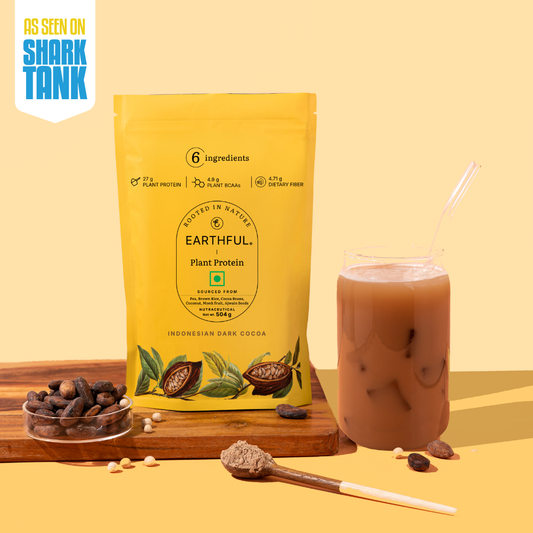
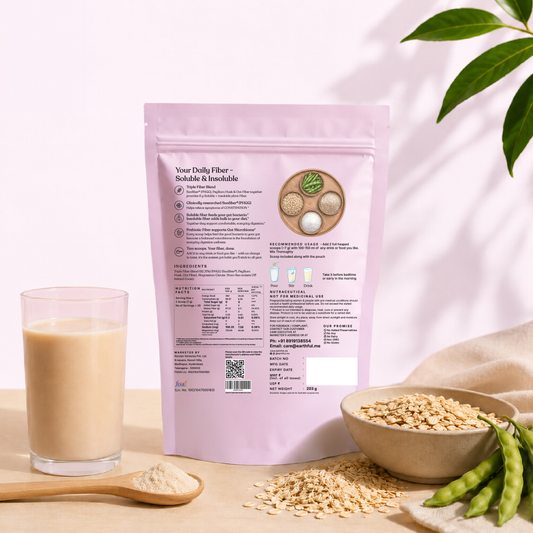
Meeting daily protein and nutrient requirements can be challenging during hectic workdays, making a convenient plant protein shake a simple way to help bridge nutritional gaps.
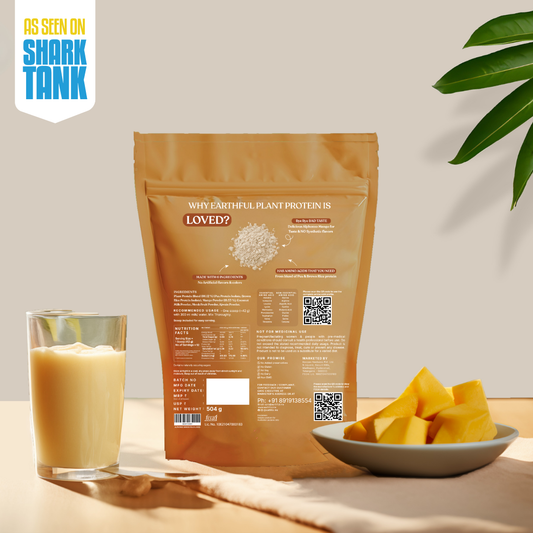
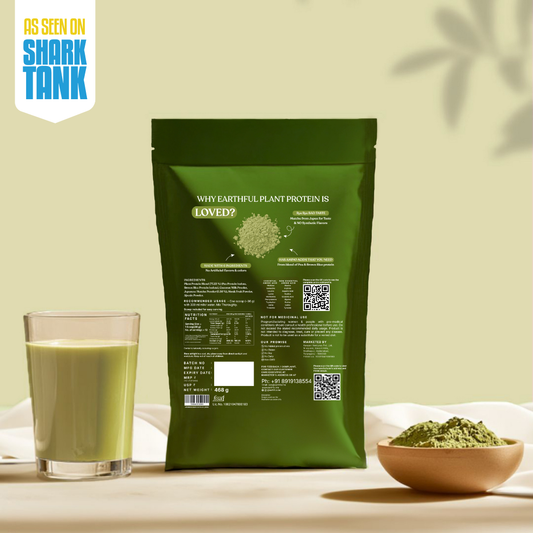
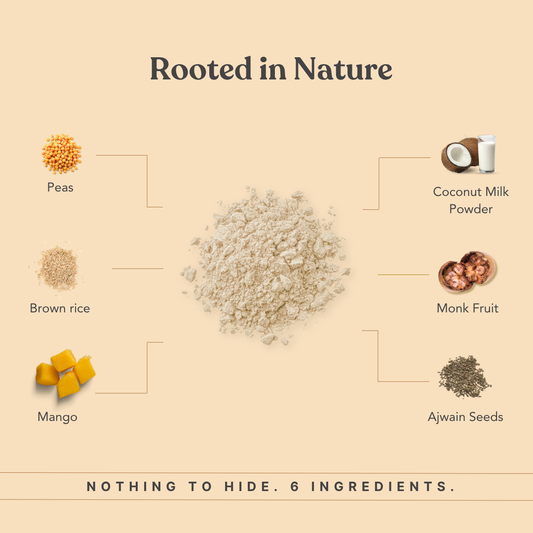
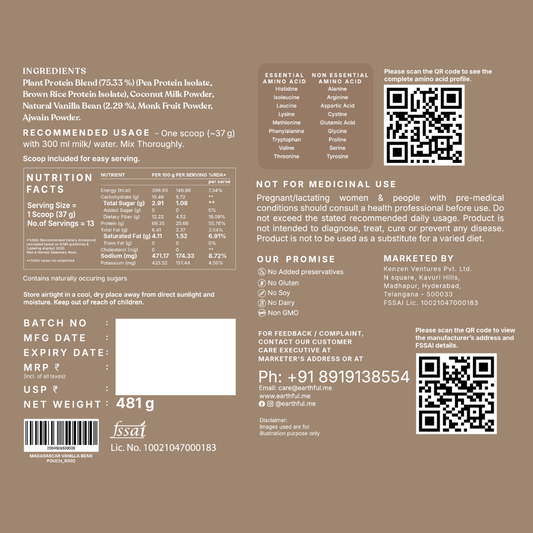
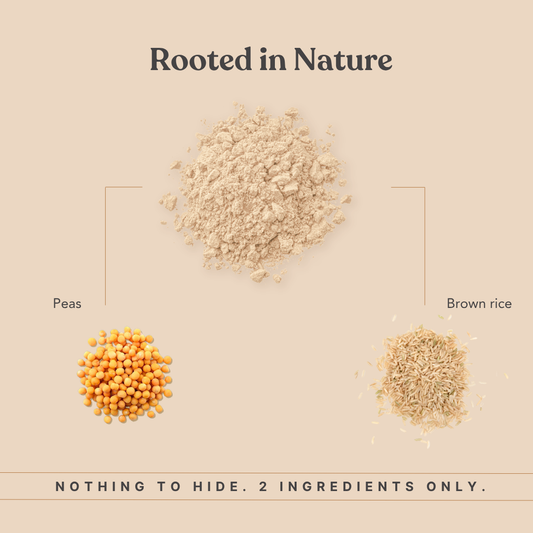
Earthful's Plant Protein range combines protein with superfoods and clean ingredients, making it easier to add nutrition without relying on highly processed snacks.
Women Looking for Holistic Wellness
Women often require additional nutritional support for bone health, energy levels, and healthy ageing.
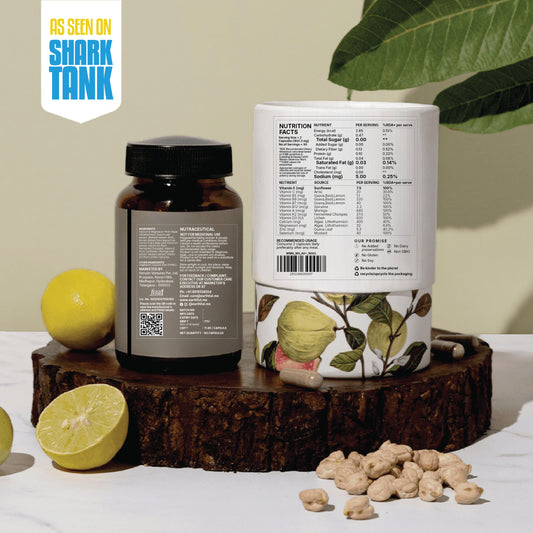
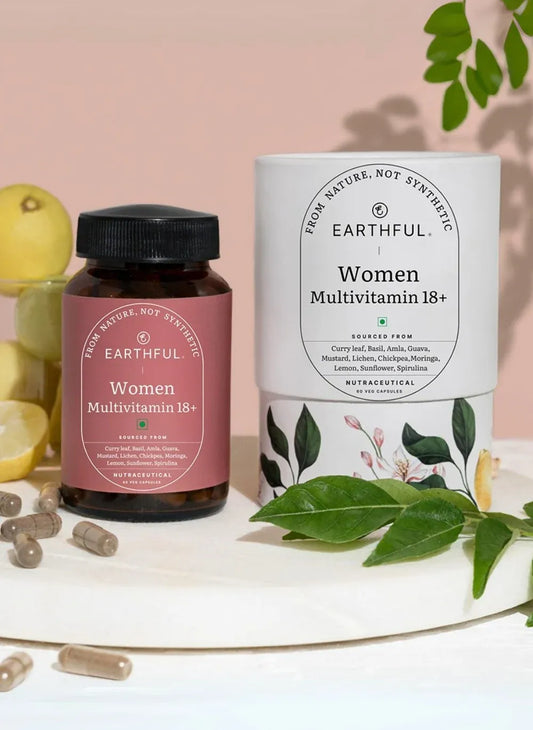
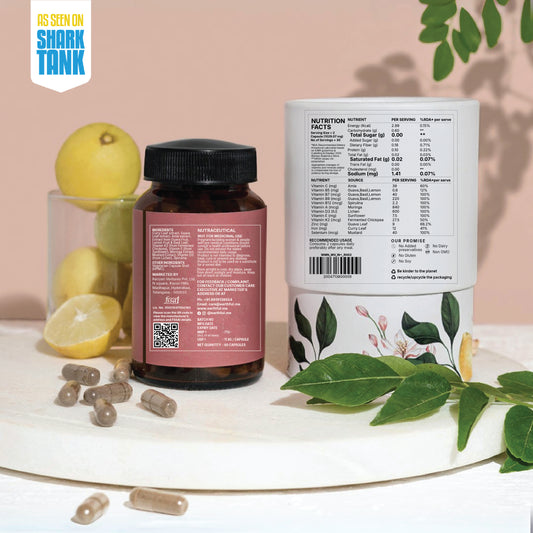
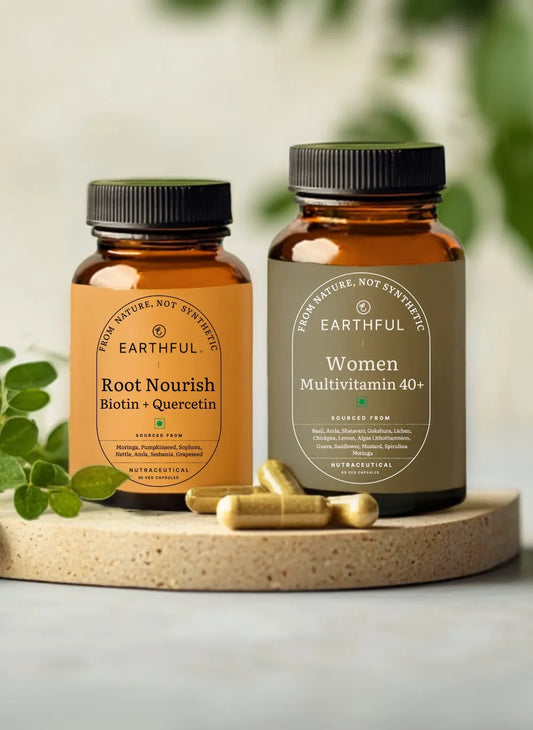
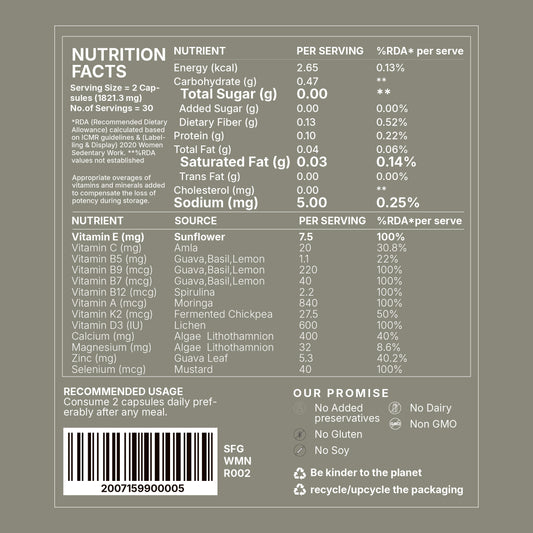
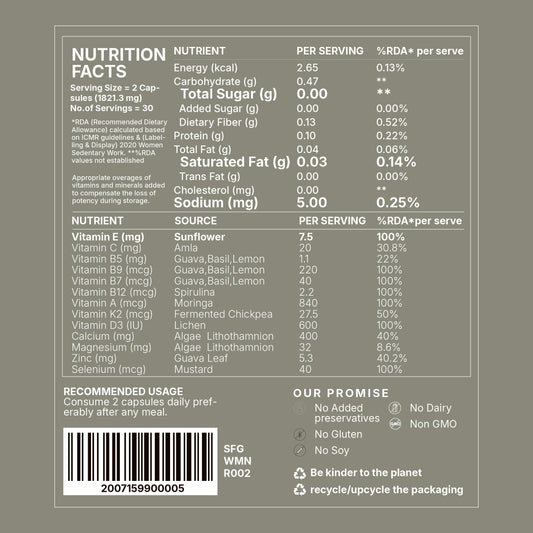
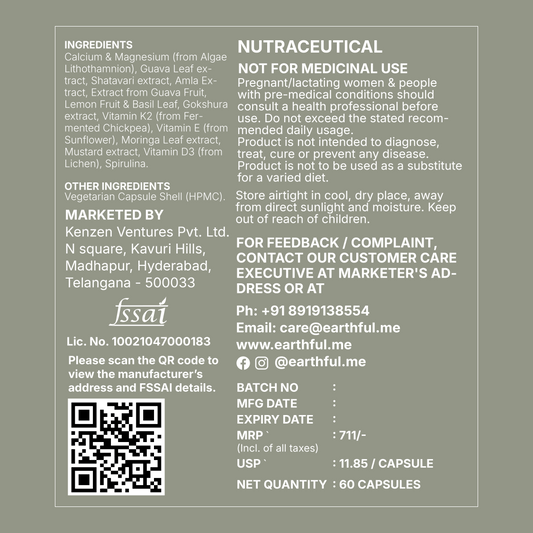
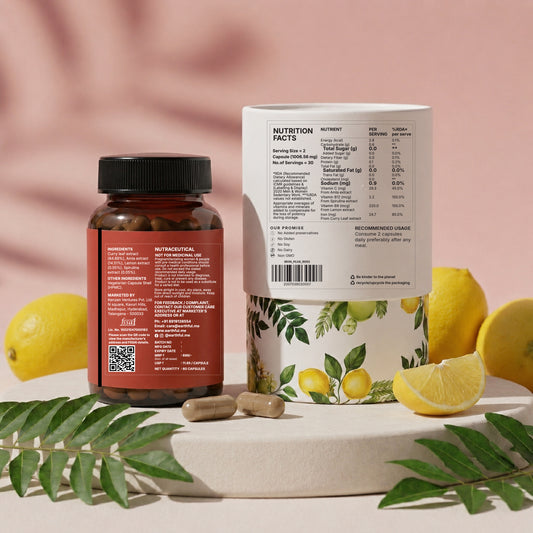
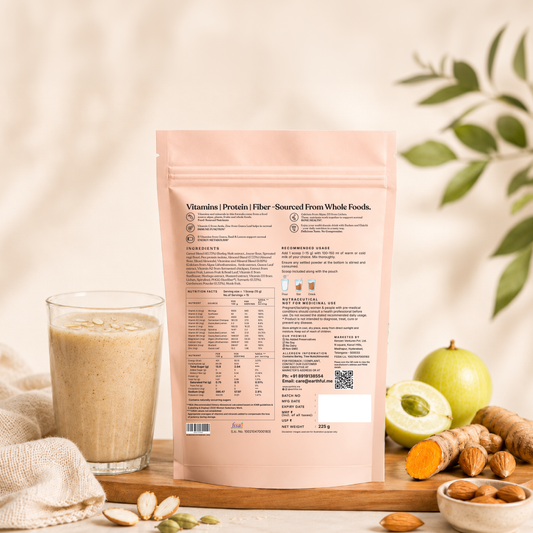
Products like Earthful Multivitamin Women 40+ are designed with nutrients that support changing wellness needs. This makes them one of the best supplements for women seeking simple and plant-based daily support.
Vegetarians and Vegans
While plant-based diets offer many benefits, supplements can help address certain nutrient gaps and support long-term wellness.
Whole Foods and Supplements Work Better Together
A common mistake is expecting supplements to make up for poor eating habits, as protein powders cannot replace balanced meals and multivitamins cannot compensate for a consistently low intake of fruits and vegetables.
Instead, think of supplements as support tools.
For example:
- Eat calcium-rich foods like sesame seeds, almonds, tofu, and leafy greens.
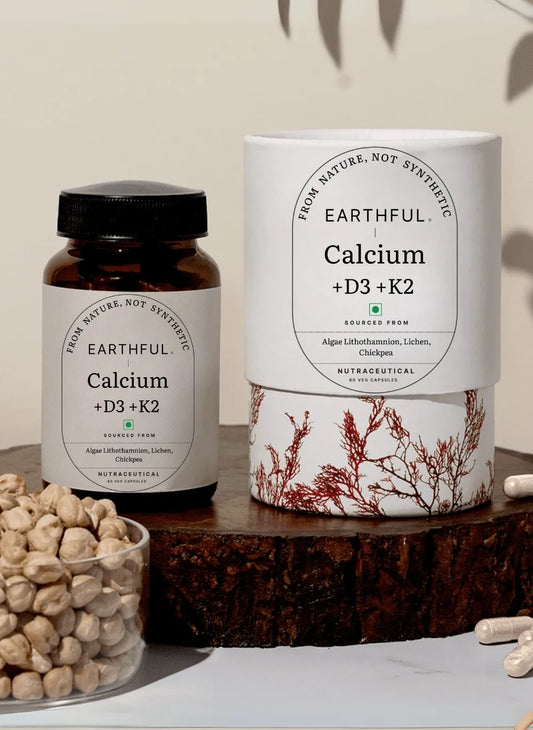
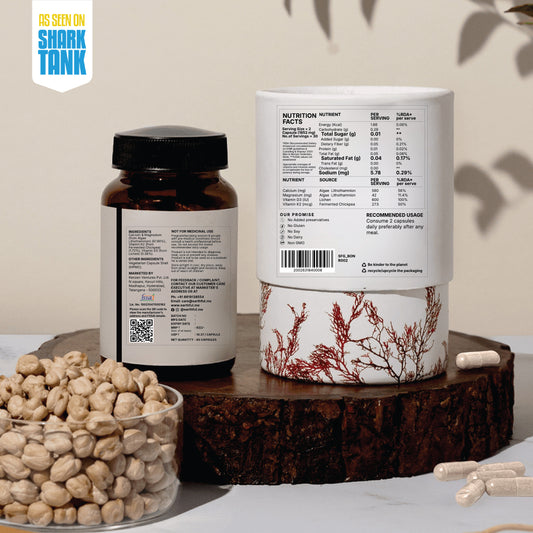
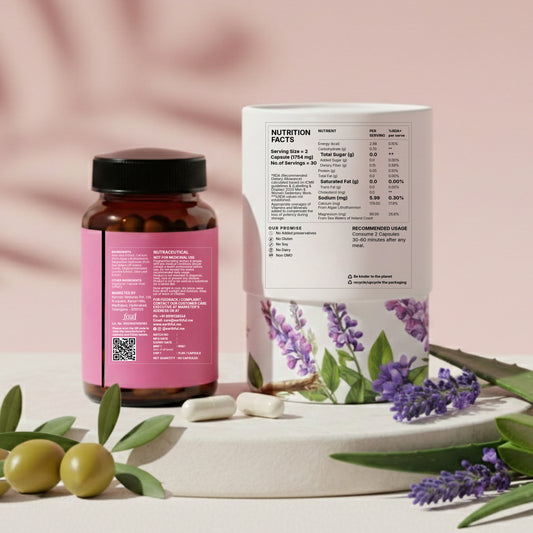
- Add Earthful Calcium + D3 + K2 capsules to support bone health when dietary intake may not be enough.
- Include legumes, grains, fruits, and vegetables while using supplements to address specific nutritional gaps.
This balanced approach is more practical and sustainable.
Choosing the Right Supplements
Not all supplements offer the same quality, as many products may contain unnecessary fillers, artificial additives, or added sugar.
When selecting health supplements, look for:
Clean Ingredient Lists
Choose products with transparent sourcing and minimal additives.
Evidence-Based Formulations
The ingredients should address real nutritional needs rather than follow short-term wellness trends.
Products That Fit Your Lifestyle
For women focused on overall wellness, plant-based multivitamins and bone-support supplements can be valuable additions. Earthful's clean and transparent formulations make it easier to choose products that fit a mindful lifestyle.
The best supplements for women are often those that combine clean ingredients, plant-based nutrition, and nutrients that support everyday wellbeing.
Building a Sustainable Wellness Routine
Health is built through consistent daily choices rather than relying on a single product or meal.
A balanced plate, regular movement, adequate sleep, and mindful supplementation work together to support long-term wellbeing.
Adding a nutrient-dense breakfast, including enough protein, and using supplements where needed can make healthy living feel more achievable rather than restrictive.
Finding the Right Balance
Whole foods should always remain the centre of your wellness journey because they provide nourishment that no capsule can fully replicate. At the same time, thoughtfully chosen health supplements can help fill nutritional gaps created by modern lifestyles. Combining balanced meals with clean, plant-based support such as Earthful Plant Protein, Multivitamin Women 40+, and Calcium + D3 + K2 creates a practical and sustainable approach to everyday health while supporting the needs of modern consumers seeking the best supplements for women.
FAQs
1. What are the best health supplements for immunity and energy?
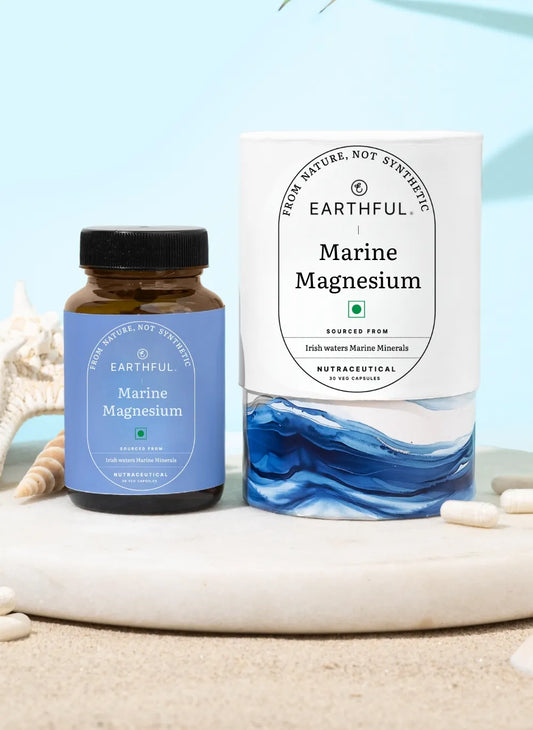
Supplements containing vitamin D, B vitamins, iron, magnesium, and plant protein can support immunity and energy levels. Products such as Earthful's Plant Protein and Earthful Multivitamin Women 40+ can be useful additions alongside a balanced diet and healthy lifestyle.
2. Can supplements replace whole foods?
No. Supplements are designed to complement meals, not replace them. Whole foods provide fibre, antioxidants, and plant compounds that are difficult to replicate in supplement form.
3. Are plant-based supplements effective?
Yes. High-quality plant-based supplements can help address nutritional gaps while aligning with vegetarian and vegan lifestyles, especially for nutrients like protein, calcium, and vitamins.
4. What are some good supplements for women?
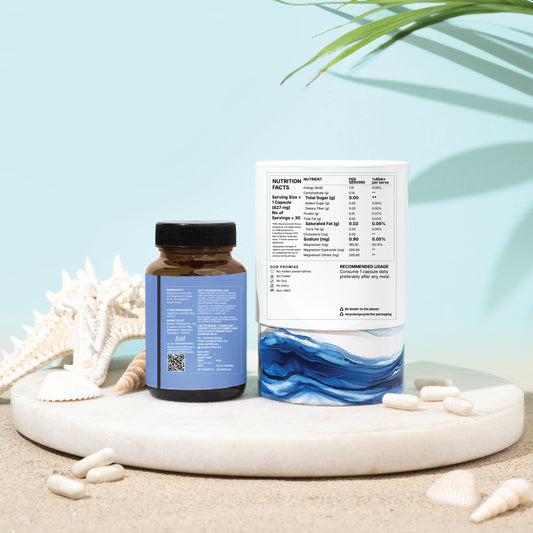
Multivitamins, calcium with vitamin D3 and K2, magnesium, and protein supplements are commonly chosen to support energy, bone health, and healthy ageing.
5. How often should I take health supplements?
The frequency depends on your nutritional needs and the product being used. Following label recommendations and consulting a healthcare professional can help determine the right approach.
6. How do I choose the best supplements for women?
Look for clean formulations, transparent ingredient sourcing, evidence-based nutrients, and products that fit your dietary preferences and wellness goals.