






























Hair Multivitamins Explained: Which Nutrients Support Healthy Hair Growth?
Healthy hair depends on more than the products you use on your scalp. Your diet, genetics, hormones, age, stress levels, overall health, and hair-care habits can all play a role in the hair growth cycle. At Earthful, we look at hair wellness from within because nourishing the body with adequate nutrients is an important part of supporting healthy hair.
This is also why understanding what a hair multivitamin actually provides matters. There is no single nutrient that guarantees thicker or faster-growing hair. Instead, healthy hair depends on getting enough of several nutrients that support normal cellular function, protein formation, oxygen transport, and overall tissue health. Supplements can have a role when they complement a balanced diet and address genuine nutritional needs.
What Does Nutrition Have to Do With Hair Health?
Hair is primarily made of keratin, a structural protein. Producing and maintaining healthy hair therefore requires adequate protein and a range of vitamins and minerals.
A lack of certain nutrients can be associated with noticeable hair loss. The American Academy of Dermatology identifies inadequate intake of biotin, iron, protein, or zinc as possible contributors to hair loss.
However, nutrition is only one piece of the picture. Hair shedding can also be linked to genetics, hormonal changes, prolonged stress, medications, medical conditions, and scalp disorders. That means hair fall should not automatically be interpreted as evidence of a vitamin deficiency.
The goal of nutritional support is not to promise a dramatic transformation, but to ensure your body has the nutrients it needs to support normal hair and overall health.
Key Nutrients That Support Healthy Hair
Biotin
Biotin, also known as vitamin B7, helps the body metabolize carbohydrates, fats, and proteins. It is also involved in processes related to keratin, the main structural protein in hair.
Biotin is often the first nutrient people think of when searching for which vitamin is good for hair, but it should not be treated as a universal solution. The NIH notes that biotin deficiency is rare and that there is limited evidence supporting biotin supplementation for improving hair, skin, or nails in people who are not deficient. High amounts of supplemental biotin can also interfere with certain laboratory tests.
Iron
Iron is essential for producing haemoglobin, a protein in red blood cells that carries oxygen throughout the body. Adequate iron supports normal oxygen delivery and cellular function.
Inadequate iron status can be associated with hair shedding, particularly when nutritional intake or iron stores are low. However, taking iron without knowing whether you need it is not advisable. When deficiency is suspected, testing and professional guidance can help determine the appropriate approach.
Zinc
Zinc contributes to normal cell division, protein synthesis, and the maintenance of tissues. Since hair follicles are highly active structures, adequate zinc is relevant to normal hair maintenance.
As with other nutrients, the objective is nutritional adequacy rather than excessive intake. Taking more zinc than your body needs does not automatically translate to better hair health and can create nutritional imbalances at high levels.
Vitamins D, C, and A
- Vitamin D plays a role in normal cell function, and researchers have studied its relationship with hair follicle biology. While vitamin D status may be relevant in certain hair-loss conditions, supplementation should not be presented as a guaranteed hair-growth treatment.
- Vitamin C contributes to normal collagen formation and helps improve the absorption of non-heme iron from plant-based foods. It therefore supports broader nutritional health as well as processes relevant to hair wellness.
- Vitamin A supports normal cell growth and differentiation, including processes involved in healthy skin and tissues. However, excessive intake can be harmful, and too much vitamin A has been associated with hair loss. This is an important example of why more is not necessarily better.
Protein and B Vitamins
Protein provides the amino acids needed to build keratin. Consistently inadequate protein intake can therefore affect normal hair growth and maintenance.
B vitamins also support important metabolic and cellular processes. Vitamin B12 contributes to normal red blood cell formation and DNA synthesis, while folate is important for DNA production and cell division.
Taken together, these nutrients show why the answer to which vitamin is good for hair cannot be reduced to one ingredient. Hair wellness is better supported by adequate overall nutrition.
Do You Really Need a Hair Multivitamin?
Not everyone needs a hair multivitamin. Many people can obtain the nutrients needed for normal hair health through a varied, balanced diet. Supplements are generally more relevant when dietary intake is inadequate, nutritional requirements are increased, or a deficiency has been identified.
A sensible supplement routine should complement nutritious meals, adequate protein, regular physical activity, sufficient sleep, and healthy hair-care practices. It should not be used as a shortcut around the basics.
It is also important to understand that persistent or sudden hair loss may have causes that have nothing to do with nutrition. The American Academy of Dermatology recommends finding the cause of hair loss and checking nutritional status before using supplements, because excessive amounts of certain nutrients can sometimes worsen hair loss.
If shedding is sudden, severe, persistent, or accompanied by other symptoms, speaking with a dermatologist or healthcare professional is a better first step than self-prescribing supplements.
What to Look for in vitamin tablets for hair
When considering vitamin tablets for hair, focus on formulation quality rather than impressive-looking nutrient numbers. A thoughtful supplement should provide clear information about its ingredients, dosages, and intended use.
Here are a few things worth checking:
- Transparent ingredient and dosage information
- Appropriate nutrient levels rather than unnecessary megadoses
- Clearly identified nutrient forms
- Quality manufacturing practices
- Third-party testing or quality verification where available
- A formulation that makes sense for your individual nutritional needs
It is especially important not to assume that higher doses will deliver better results. Excessive intake of certain vitamins and minerals can create risks, while high-dose biotin can interfere with laboratory tests. The AAD also cautions that excessive amounts of some nutrients can worsen hair loss.
How Earthful Supports Hair Wellness From Within
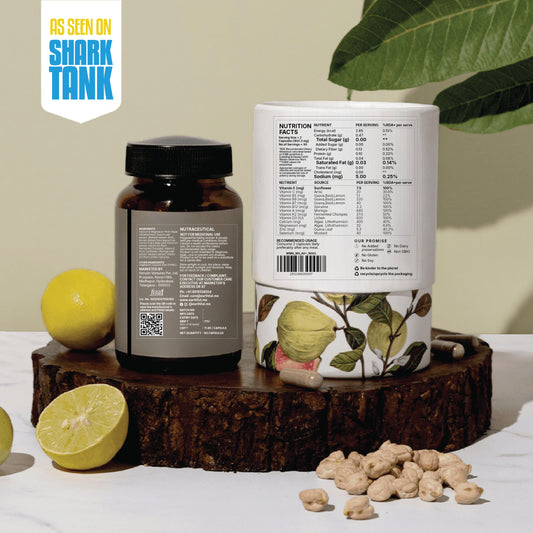
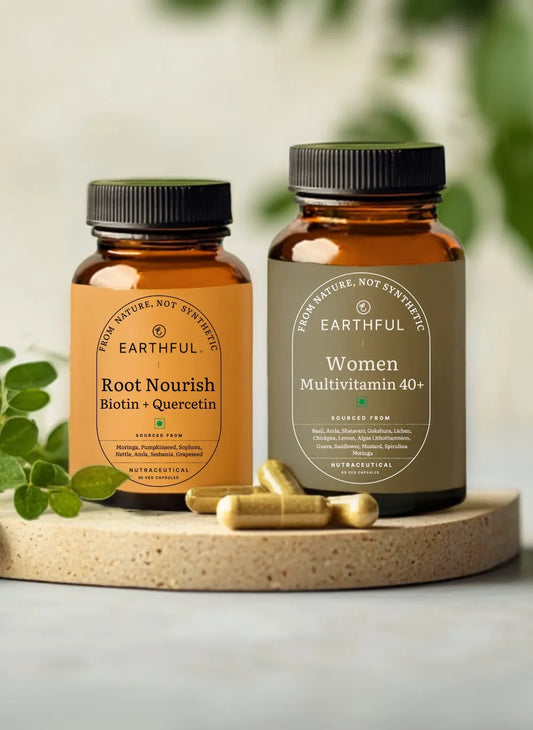
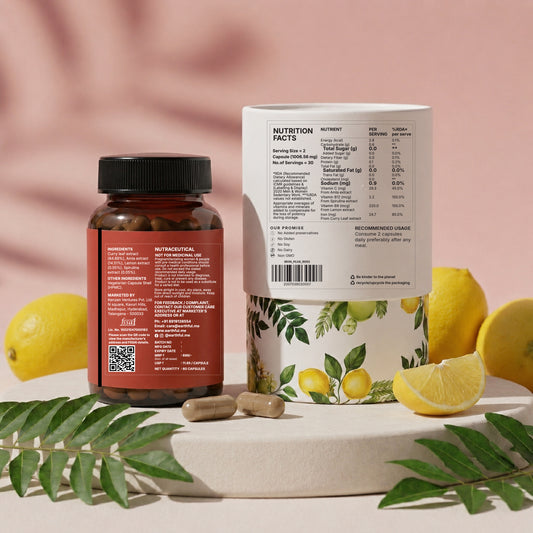
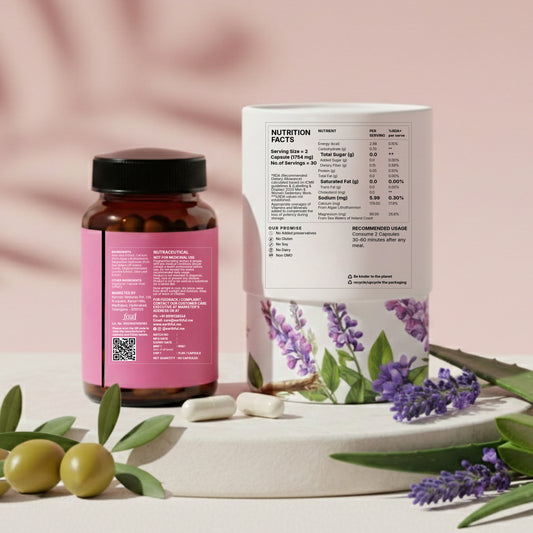
Earthful approaches hair wellness from within, with nutrition-focused formulations designed to complement everyday wellness habits. Earthful Root Nourish Capsules are a 7-in-1 hair wellness formula featuring biotin and quercetin, along with ingredients such as amla, pumpkin seed, nettle leaf, and moringa.
Root Nourish is formulated for adults over 18 and comes in a 30-capsule pack, with a recommended serving of one capsule daily after a meal. The formulation is developed by Earthful's in-house team of doctorates in food science and nutrition, with a focus on thoughtful ingredient selection and transparent nutrition.
Targeted supplementation can complement a varied diet, adequate protein intake, quality sleep, stress management, and consistent hair-care practices. Root Nourish fits into this broader approach to hair wellness, providing targeted nutritional support without replacing the fundamentals of a balanced lifestyle.
Hair concerns can also have causes that are unrelated to nutrition, including genetics, hormonal changes, stress, medications, medical conditions, and scalp conditions. Persistent, sudden, or severe hair loss should therefore be evaluated by a healthcare professional. Earthful Root Nourish is intended to support hair wellness and is not designed to diagnose, treat, or cure medical hair-loss conditions.
Nourishing Healthy Hair Starts from Within
Healthy hair is supported by overall nutrition, not a single magic nutrient. Biotin, iron, zinc, vitamins D, C, and A, B vitamins, and protein each contribute to normal body functions related to hair health. A hair multivitamin can complement a balanced routine when it suits your nutritional needs. At Earthful, Root Nourish Capsules offer targeted support for hair wellness, while the foundation remains good nutrition and healthy habits. Nourish consistently, understand your individual needs, and seek professional guidance when persistent hair changes require closer attention.
FAQs
Q1. Which multivitamin is best for healthy hair?
There is no single best multivitamin for everyone. Choose a formulation with transparent ingredients, appropriate nutrient levels, and a combination that aligns with your individual dietary and nutritional needs.
Q2. Which vitamin is good for hair nourishment?
There is no single answer to which vitamin is good for hair. Biotin, vitamins C and D, vitamin A, and B vitamins have different roles in normal body functions related to hair. Adequate overall nutrition is more important than relying on one vitamin.
Q3. Which vitamin tablets support healthy hair?
The right vitamin tablets for hair depend on individual nutritional needs. Look for clear ingredient information, sensible dosages, and quality standards rather than choosing a product simply because it contains very high nutrient amounts.
Q4. Do you need a hair multivitamin for healthy hair?
Not necessarily. People who meet their nutritional requirements through a balanced and varied diet may not need supplementation. A supplement may be useful when dietary intake is inadequate or a nutritional gap has been identified.
Q5. What should you look for in a hair multivitamin?
Look for transparent ingredients, appropriate dosages, quality manufacturing, and testing information where available. Earthful Root Nourish Capsules are a targeted hair multivitamin for hair wellness, designed to complement balanced nutrition rather than replace a healthy diet or professional evaluation.